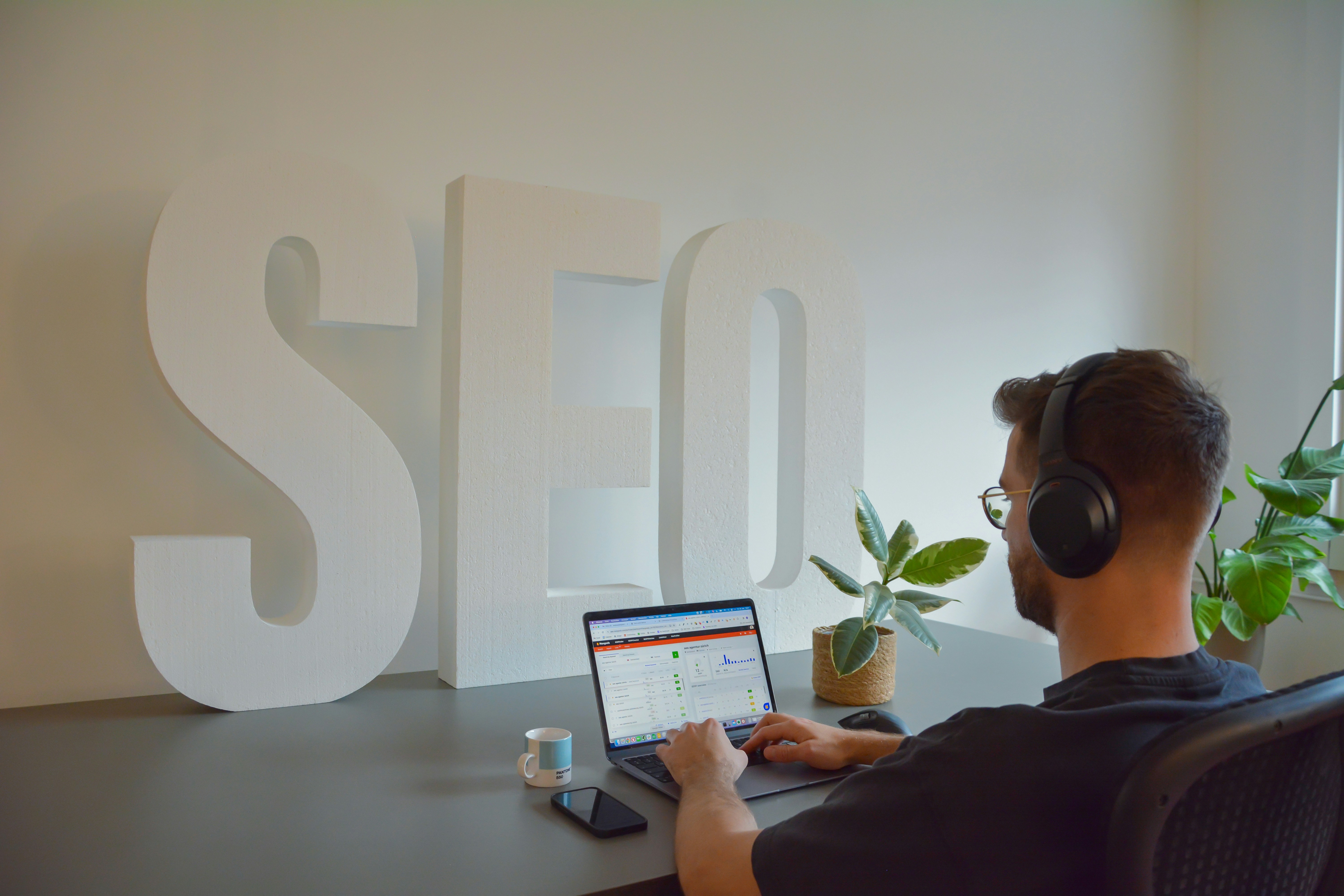
For many brands, working with an SEO agency is the natural starting point. Agencies provide specialist knowledge, tested processes, and access to tools that would otherwise be expensive to build internally. Yet as organisations mature, a common question arises: should SEO remain outsourced, or is it time to bring it in-house?
The decision is rarely straightforward. Moving SEO internally is not simply a change of supplier. It is an operational shift that affects strategy, talent, technology, and culture. Brands that underestimate this transition often experience performance dips, inefficiencies, or internal friction. Those that approach it with clarity and discipline, however, can unlock stronger control, faster execution, and long-term cost efficiency.
Understanding what to consider before making the move is essential.
Defining Clear Objectives Before the Transition
The first mistake brands make is assuming that bringing SEO in-house is inherently better. It is not. The right model depends on what the business is trying to achieve.
Some organisations want tighter alignment between SEO and broader marketing initiatives. Others are motivated by cost savings, particularly if agency retainers have grown significantly. There are also cases where brands seek more control over data, strategy, and execution timelines.
Industry data suggests that around 60 per cent of mid to large enterprises now operate hybrid SEO models, combining in-house teams with agency support for specialist tasks. This reflects a growing recognition that SEO is both strategic and technical, requiring different types of input.
Before transitioning, brands need to define what success looks like. Is it faster content production, better technical performance, or stronger integration with paid media and CRM systems? Without clear goals, the move risks becoming a structural change without measurable benefit.
Assessing Internal Resources and Capacity
One of the most underestimated aspects of in-house SEO is resource allocation. Agencies often operate with teams that include strategists, technical specialists, content experts, and analysts. Replicating this internally requires more than hiring a single SEO manager.
Brands need to consider the breadth of skills required. Technical SEO alone can involve site architecture, crawl optimisation, schema implementation, and performance improvements. Content SEO requires editorial planning, keyword research, and optimisation expertise. Analytics and reporting demand proficiency in tools such as Google Analytics, Search Console, and data visualisation platforms.
Research from BrightEdge indicates that organic search drives over 50 per cent of website traffic for many industries. This underscores the importance of having sufficient internal capacity to manage such a critical channel effectively.
It is not only about hiring. Existing teams must also have the bandwidth to integrate SEO into their workflows. Developers need time to implement technical recommendations. Content teams must prioritise SEO-driven briefs. Without cross-functional support, even the most skilled in-house SEO lead will struggle to deliver results.
Evaluating Competence and Knowledge Gaps
Competence is closely tied to resources, but it deserves separate attention. Agencies bring accumulated experience from working across multiple industries and websites. This exposure enables them to identify patterns, anticipate algorithm changes, and apply best practices quickly.
An in-house team, particularly in its early stages, may lack this breadth of insight. This does not mean they cannot succeed, but it does mean there is a learning curve.
According to a 2024 survey by Search Engine Journal, nearly 45 per cent of in-house SEO professionals reported that staying up to date with algorithm changes was one of their biggest challenges. Agencies often mitigate this through shared knowledge across clients.
Brands should conduct a realistic assessment of their internal expertise. Do they have team members who understand technical audits, link equity, and search intent at a deep level? Are they equipped to handle unexpected ranking drops or site migrations?
If gaps exist, there are several options. Hiring experienced professionals is one route, though it can be costly. Investing in training and development is another, though it requires time. Many brands also retain agency support in a consultancy capacity during the transition, which can help bridge the knowledge gap.
Selecting and Managing the Right Tools
SEO is heavily reliant on tools. Agencies typically have access to enterprise-level platforms such as Ahrefs, SEMrush, Screaming Frog, and content optimisation tools. These tools provide critical data on keywords, backlinks, site health, and competitor performance.
When moving in-house, brands must decide which tools to adopt and how to integrate them into their workflows. This is not simply a procurement exercise. Tools need to be configured correctly, data must be interpreted accurately, and insights must translate into action.
Cost is an important factor. Enterprise SEO tool subscriptions can range from several hundred to several thousand pounds per month. However, the real cost lies in underutilisation. Paying for sophisticated platforms without having the expertise to use them effectively leads to wasted investment.
There is also the question of data ownership. One advantage of in-house SEO is having direct access to first-party data. This can enhance decision making and reduce reliance on external reporting. However, it also requires proper data governance and infrastructure.
Understanding the True Cost Implications
Cost is often cited as a reason to bring SEO in-house, but the financial reality is more nuanced. Agency retainers can appear expensive, but they bundle together expertise, tools, and execution.
Building an in-house team involves salaries, recruitment costs, training, and tool subscriptions. A senior SEO manager alone can command a substantial salary, particularly in competitive markets. Adding technical specialists, content strategists, and analysts increases the investment further.
A study by Deloitte found that companies transitioning to in-house marketing functions often underestimate total costs by up to 30 per cent in the first year. This is due to hidden expenses such as onboarding, process development, and inefficiencies during the transition period.
However, over the long term, in-house teams can become more cost-effective, particularly for organisations with large and complex websites. The key is to evaluate cost not just in monetary terms, but in relation to performance, control, and scalability.
Maintaining Agility in a Changing Search Landscape
Search is constantly evolving. Algorithm updates, changes in user behaviour, and the rise of AI-driven search experiences all impact SEO strategies.
Agencies often have dedicated resources to monitor these changes and adapt quickly. In-house teams must ensure they remain equally agile.
This requires ongoing learning, participation in industry communities, and investment in professional development. It also requires a culture that values experimentation and data-driven decision making.
According to HubSpot, companies that prioritise continuous learning are 46 per cent more likely to report successful marketing outcomes. For SEO, this can translate into better rankings, higher traffic, and improved conversion rates.
Considering Hybrid Models as a Practical Alternative
It is worth noting that the choice is not binary. Many brands find that a hybrid model offers the best of both worlds.
In this approach, core SEO functions are managed in-house, ensuring alignment and control. Agencies are retained for specialised tasks such as technical audits, large-scale link building, or international SEO expansion.
This model allows brands to leverage external expertise while building internal capabilities. It also provides flexibility, enabling organisations to scale resources up or down as needed.
Final Thoughts on Making the Move
Bringing SEO in-house is a strategic decision that requires careful planning and honest self-assessment. It offers the potential for greater control, deeper integration, and long-term efficiency. However, it also demands investment in people, tools, and processes.
SEO remains one of the most powerful drivers of digital growth. Whether managed in-house, through an agency, or via a hybrid model, its success ultimately depends on the quality of strategy and execution.